01
Observe
Establish initial material and environmental readings.

Drying decisions depend on material, assembly, access, environmental conditions and whether contaminated materials can remain.
Upholstery Cleaning Auckland flood restoration service. Scope is confirmed after assessment; no response time or outcome is guaranteed.
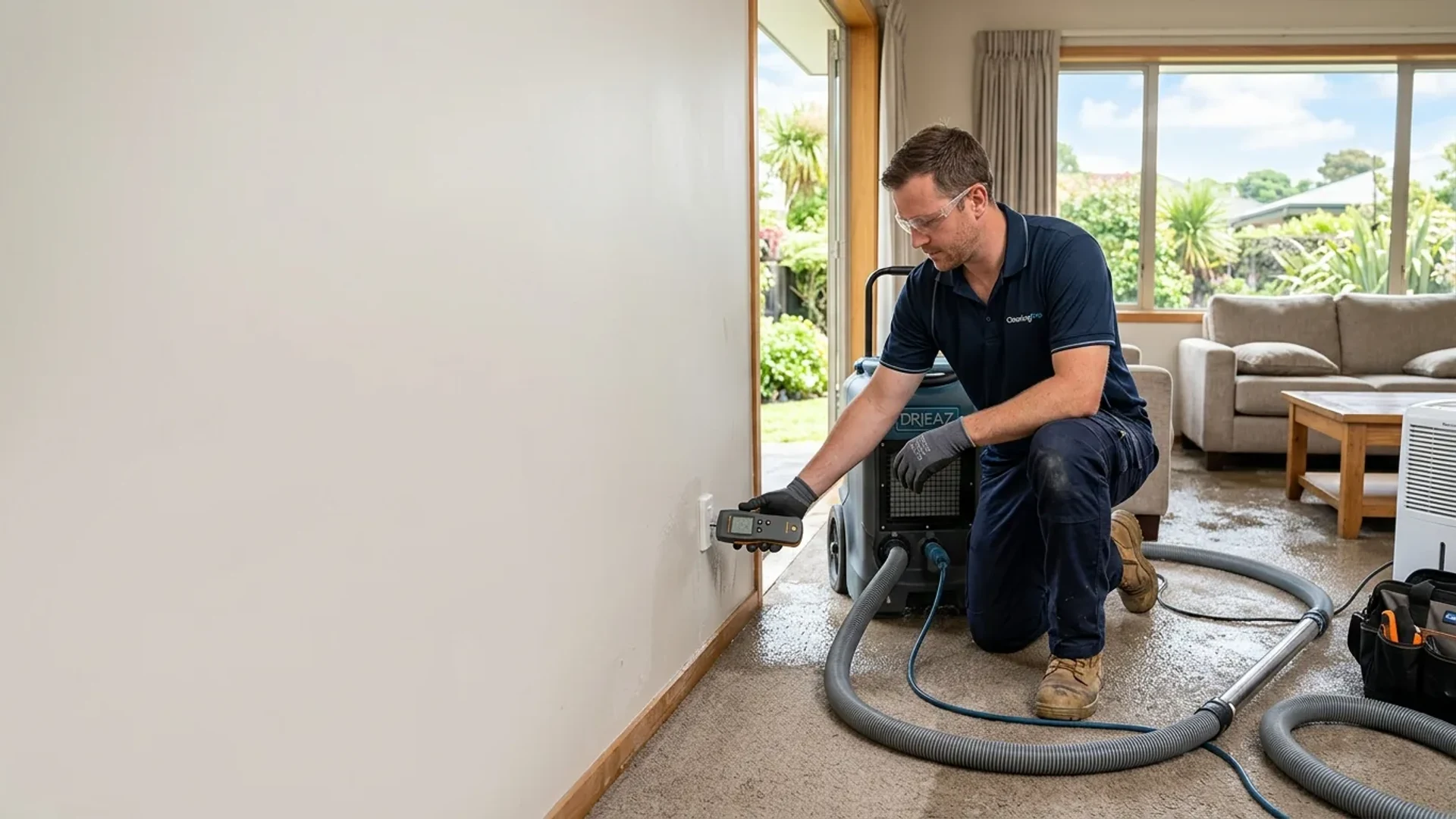
Establish initial material and environmental readings.
Position and adjust drying based on the defined scope.
Track progress and verify the agreed dry standard before repair.
Upholstery Cleaning Auckland presents flood and water-damage support as an assessment-led service. The appropriate extraction, drying, removal, cleaning and repair scope depends on the incident and site conditions.
Water category, source control, electrical and structural hazards, affected materials and measured moisture determine the next action. Do not enter unsafe areas or assume visible dryness proves materials are dry.
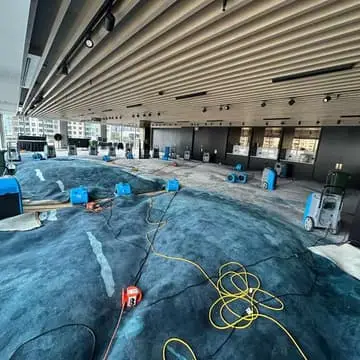
From a safe location, note when the incident was found, whether the source has stopped, affected rooms, contamination concerns and any electrical or ceiling hazards.
Keep drying and removal records, follow specialist re-entry guidance and address the source before cosmetic repair or final cleaning.
Establish initial material and environmental readings. Fabric, colour stability, construction and existing damage determine the safe scope.
Position and adjust drying based on the defined scope. Share labels, photographs, access information and previous products where known.
Track progress and verify the agreed dry standard before repair. Cleaning cannot reverse wear, sun fading, dye loss, tears or material breakdown.